October 3, 2026
Animal Welfare & News
Animal Welfare & News
Not every microchip merger has gone smoothly.

Cats Protection is warning owners about sunburn and skin cancer risk after three white cats in its care needed partial ear amputations due to sun-related cancerous cells. It recommends keeping pale-coloured cats shaded and using pet-safe sunscreen.
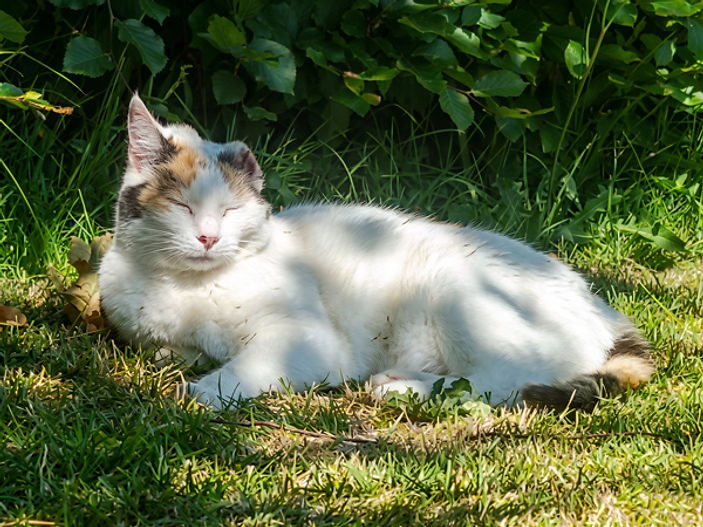

Cat charity warns of sunburn risk after ear amputations
A leading UK cat charity is urging owners to take sun safety seriously after three cats in its care required partial ear amputations following sun-related skin cancer.
The white cats were found to have cancerous cells caused by prolonged exposure to the sun. Without surgery, the cancer could have grown aggressively, causing severe damage and potentially fatal consequences.
This has prompted Cats Protection to warn ahead of Sun Awareness Week (11–17 May) that brighter spring and summer days put cats at real risk of sunburn and skin cancer, particularly those with white or pale coloured ears and noses.
The charity's Senior Veterinary Engagement Manager Izzy Hocking said: "People don't always realise that cats can suffer from sunburn just like humans. These three cats needed drastic surgery because of damage caused by the sun. It's heartbreaking - and in many cases, it's completely preventable."
While cats are well known for basking in sunny spots, the charity says this behaviour can become dangerous, even on cooler days.
"You don't need scorching temperatures for harm to occur," said Izzy. "Bright sunshine alone can damage delicate skin, especially on white ears and noses. By the time owners notice scabbing or sores, cancer may already be present."
Cats Protection reports that it regularly sees cases where sun damage has gone unnoticed for years, only becoming visible once cancer has already begun to develop.
One owner who knows the dangers all too well is Joanna Burgess from East Sussex whose white cat Tasha developed severe sun related cancer later in life.
Joanna said: "I wish I'd known just how serious sun damage could be before we got Tasha. She was a French cat we adopted while living abroad and she absolutely adored the Mediterranean weather, sunbathing wherever and whenever she could.
"After we moved to the UK in her later years, she developed severe, progressive sun damage on one ear and eventually it had to be removed. She went on to live a few more happy years, but sadly the damage had also affected her nose and we eventually had to have her put to sleep as it kept progressing. I never imagined sunlight could do so much harm."
Veterinary experts warn that early treatment is critical, so if you notice any crusting or scabbing on your cat's ears or nose seek veterinary advice as soon as possible. If left unchecked, it can invade painfully. However, the charity stresses that simple precautions can significantly reduce risk.
• Keep pet cats indoors during the hottest part of the day, typically between 10am and 3pm
• Speak to a vet about using a pet safe sunscreen
• Provide plenty of outdoor shade, such as cat hides, large cardboard boxes or plants placed close together
"A few small changes to a cat's routine can make a huge difference. We want owners to enjoy the warmer weather with their pets - but to do so safely," said Izzy.
Further tips on keeping cats safe in warm weather can be found on the charity's website here https://www.cats.org.uk/help-and-advice/home-and-environment/cats-and-warm-weather
Not every microchip merger has gone smoothly.

Eight-year-old Harper lost the home and person she knew when her devoted owner became seriously ill. Four months later, after getting a precious taste of family life again in foster care, she is still waiting for someone to choose her.
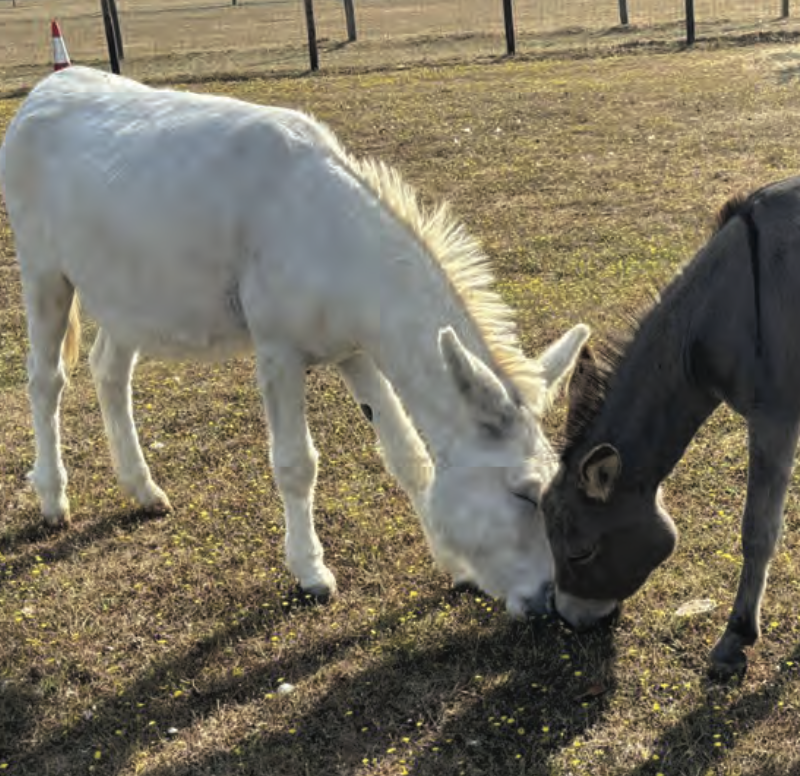
A donkey named Dandi, who was among more than 50 other animals seized by the RSPCA from an address in Essex in 2023, is thriving in the care of The Donkey Sanctuary.