October 3, 2026
Animal Welfare & News
Animal Welfare & News

Not every microchip merger has gone smoothly.

Kennel Store expert Michael Nelson warns tick season is underway across the UK, with ticks lurking in long grass ready to attach to dogs during walks. He advises checking ears, bellies and paws afterwards, since prolonged attachment raises disease risk.
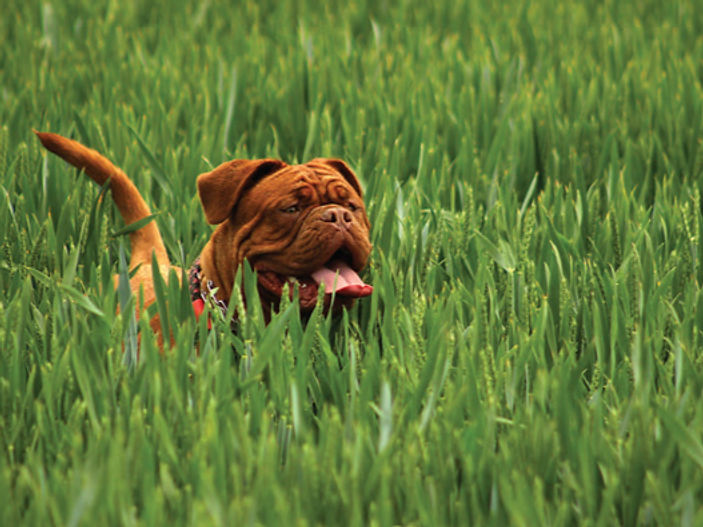

Dog owners urged to check pets after walks as tick season begins
Dog owners are being urged to check their pets carefully after walks as experts warn that tick season is now underway across the UK, with activity increasing as temperatures rise in early spring.
Ticks are small parasites that feed on blood and are commonly found in long grass, woodland, parks and countryside paths. While they can be present year-round, they become far more active between March and October.
Experts say this time of year often brings a spike in cases, as dogs begin spending longer periods running through grass, hedgerows and woodland areas where ticks are waiting on vegetation to latch onto passing animals.
Michael Nelson, canine expert at leading outdoor kennel provider, Kennel Store, says many dog owners are unaware just how easily ticks can attach to pets during an everyday walk.
"Ticks don't jump or fly onto dogs. They wait on tall grass or plants and simply grab onto a dog as it brushes past. If your dog is exploring through long grass or woodland, it can happen very quickly."
Once attached, ticks burrow their mouths into the skin and begin feeding on blood. Because they start off extremely small, they can be easy to miss at first.
"When a tick first attaches it can be tiny, sometimes no bigger than a pinhead."
"But as it feeds it swells quite noticeably, sometimes growing to the size of a small pea if it goes undetected for several days."
Why ticks can pose a risk to dogs
Aside from causing irritation where they bite, ticks can also carry bacteria capable of spreading disease.
One of the most well-known is Lyme disease, which can cause symptoms in dogs including lethargy, fever, loss of appetite and swollen joints if infection develops.
While not every tick carries disease, Nelson says the longer they remain attached, the greater the potential risk.
"The biggest issue is when a tick stays on a dog for a long time without being noticed. The longer it feeds, the greater the chance bacteria can be transmitted."
Studies carried out by veterinary groups have previously found that around one in three dogs checked at UK veterinary clinics had ticks present, highlighting just how common the parasites can be.
Where ticks usually hide on dogs
Because ticks crawl through fur to find skin, they often settle in warm or hidden parts of a dog's body where owners may not think to check.
Nelson says a quick inspection after walks can help catch them early.
"The most common places we tend to find ticks are around the ears, under the collar, between the toes, under the front legs and along the belly."
"These are all areas where ticks can attach without being immediately noticed, especially on dogs with thicker coats."
He recommends owners take a minute to run their hands through their dog's coat when returning home.
"A quick check after walks is one of the simplest things owners can do. You're feeling for small bumps on the skin that weren't there before."
"If you find one early, it's much easier to remove safely before it has time to fully embed."
Simple ways owners can help protect their dogs
While ticks are a natural part of the outdoor environment, experts say a few simple habits can reduce the likelihood of dogs bringing them home.
Nelson advises owners to:
• Check dogs after countryside walks or time spent in long grass
• Run hands through their coat to feel for small lumps
• Pay close attention to ears, belly, neck and between toes
• Speak to a vet about tick prevention treatments where appropriate
• Stick to clearer paths where possible during peak tick months
With spring walks becoming more common as the weather improves, Nelson says awareness is key.
"Most dogs love exploring woodland paths, fields and parks, and owners shouldn't feel they have to avoid those places entirely."
"But getting into the habit of checking your dog after a walk can make a big difference. It's a simple step that can help spot ticks quickly and keep dogs comfortable and healthy."
https://www.kennelstore.co.uk/collections/wooden-dogkennel
Not every microchip merger has gone smoothly.
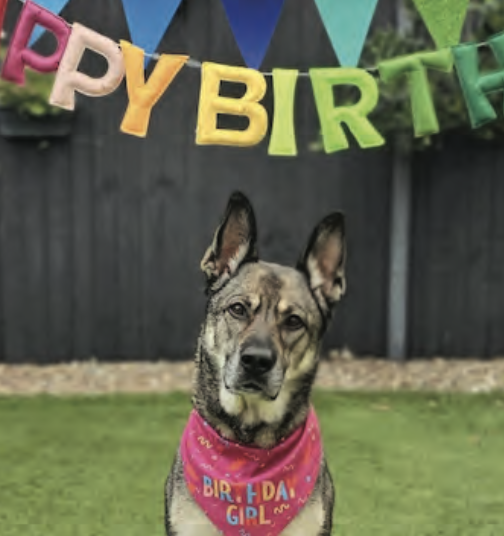
Eight-year-old Harper lost the home and person she knew when her devoted owner became seriously ill. Four months later, after getting a precious taste of family life again in foster care, she is still waiting for someone to choose her.
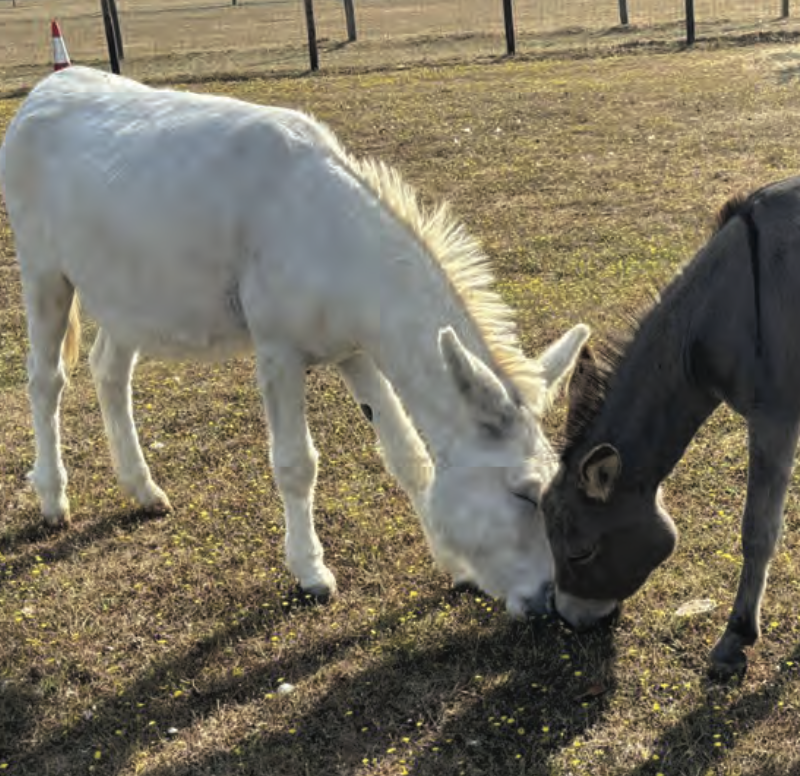
A donkey named Dandi, who was among more than 50 other animals seized by the RSPCA from an address in Essex in 2023, is thriving in the care of The Donkey Sanctuary.