October 3, 2026
Animal Welfare & News
Animal Welfare & News
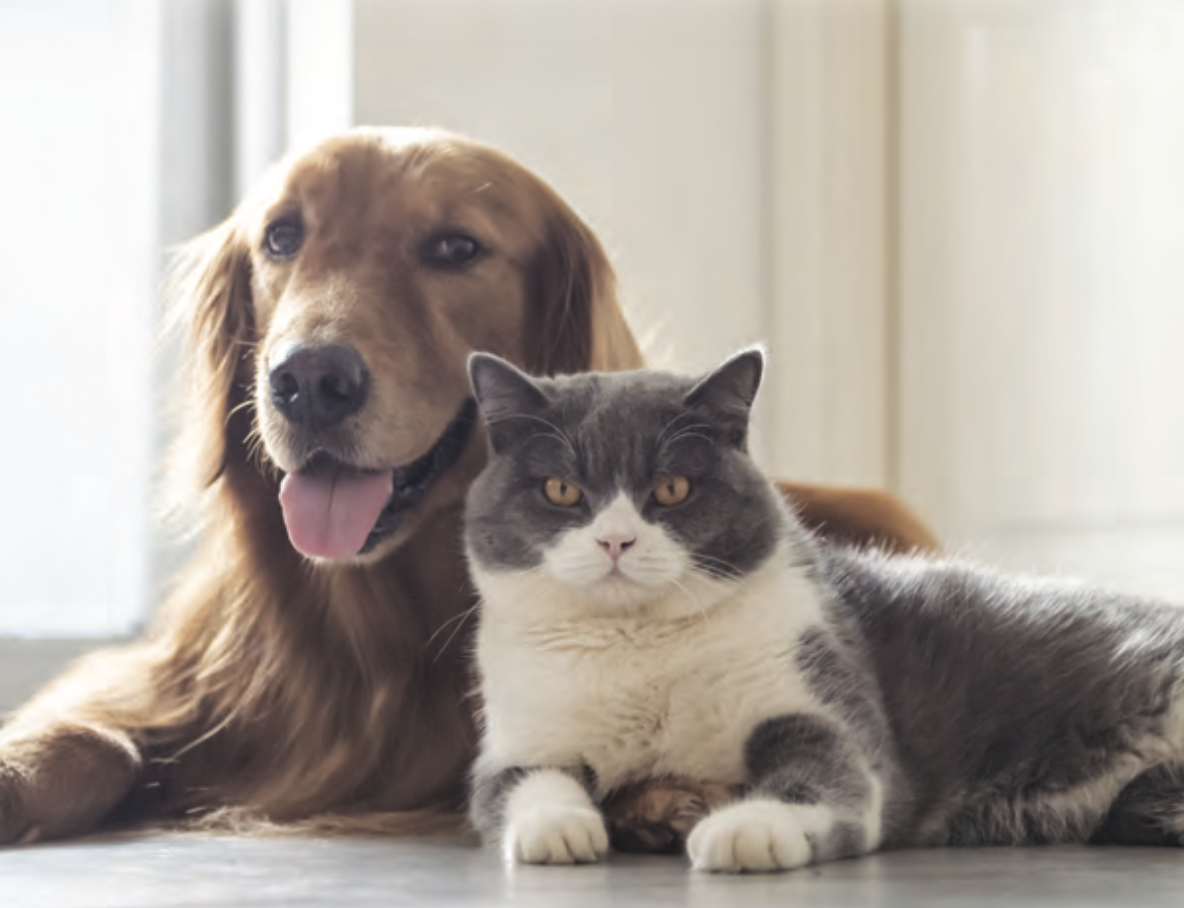
Not every microchip merger has gone smoothly.

Behaviour consultant Andrew Hale describes how Mabel overcame severe firework anxiety through her owner's patience and a noise-phobia reduction programme. Pet Remedy shares seven tips to help anxious dogs cope with loud noises.


By Andrew Hale, BSc, ISCP.Dip.Canine.Prac, Behaviour Consultant for Pet Remedy
When Mabel first came to live with Jenny, she seemed a confident little girl considering all she had been through. An ex-breeding bitch from a puppy farm, she had only seen the cruel side of living, until she found some peace and love with her new caregiver. She settled in well, but in October one of the neighbours let off fireworks. The effect on little Mabel was instant and damaging. She ran and hid behind the sofa and would not come out, panting and drooling heavily. Even an hour or so after the bangs she continued to shake. What was bringing joy to others, meant misery and stress for Mabel and indeed for Jenny, who felt so bad seeing her like this.
For the following couple of years Jenny would feel relief after the firework season finished and tried not to worry about it again, until the next season came round and they would both have to deal with the stress, anxiety and worry again.
It was only when she read an article in a magazine about the subject of noise phobias in dogs that she learnt that not only was this a common issue for many dogs, there were also many great tips that can really help the dog cope better, and even, with the right approach, reduce a lot of the anxiety the dog has.
The next firework season Jenny adopted a lot of the advice and noticed a big difference in Mabel, so much so she vowed that once the season had finished, she would engage with a noise phobia reduction programme. True to her word, Jenny worked hard with Mabel during many of the quiet months, and by the time party season came round again she was relieved to see a dog coping much better with the bangs and whistles that went off in the neighbourhood. Mabel never became completely relaxed when fireworks went off but no longer hid and was able to cope with proximity and cuddles with her mom.
If Jenny and Mabel's story resonates for you, here are some suggestions to help you -
1. Be Realistic
Some dogs might always find certain noises scary, but that doesn't mean they can't improve with your help. While some dogs can eventually get used to the noise, others might need ongoing support. Every dog is unique, and with patience, all can benefit from your efforts.
2. Get a Vet Check
Noise sensitivity can sometimes be linked to underlying medical issues, like ear infections or arthritis. These conditions can cause pain, which may worsen when your dog hears loud noises, making them even more tense and anxious. A vet check-up can help identify and address any hidden health problems contributing to their noise phobia.
3. Be Accepting of Your Dog's Behaviour
When your dog is scared, they might bark, hide, or show other behaviours that you find challenging. It's crucial not to scold or "correct" them, as this can increase their stress. Instead, be gentle and comforting. You may have heard that you shouldn't comfort a frightened dog, but that's a myth! If your dog finds comfort in your presence, offer it. If they seek out a place they don't usually go, like your bedroom, let them stay there until they feel safe. You can return to your usual rules once they're calm and feel safe again.
4. Create a Safe Space
Designate a quiet, cozy spot where your dog can retreat during noisy events. This could be a corner behind the sofa with a blanket or a peaceful room with their favourite toys and bedding. Your dog might already have a preferred spot, so take note! Playing calming music, turning up the TV, or using a white noise machine can also help mask the frightening sounds.
5. Use Calming Products
Consider using products like the Pet Remedy Plugin, which can provide ongoing support during stressful times. It's important to use it regularly, not just during firework season. For an extra boost, you can spray Pet Remedy on your dog's bedding or in their safe space before loud events.
6. Seek Professional Help
If your dog's anxiety is severe, especially if they become destructive or harm themselves, it's a good idea to consult a veterinarian or a certified trainer/behaviourist. Make sure they use force-free, positive methods, as any form of punishment will only increase your dog's anxiety.
7. Start a Noise-Phobia Reduction Program
Pet Remedy have devised a programme to help you: https://petremedy.co.uk/noise-phobia/
Finally, please think twice about having fireworks in your own garden. They can affect wildlife, companion animals and many humans with PTSD, elderly and those with dementia.
Image credit: (c) Adobe Stock
Not every microchip merger has gone smoothly.
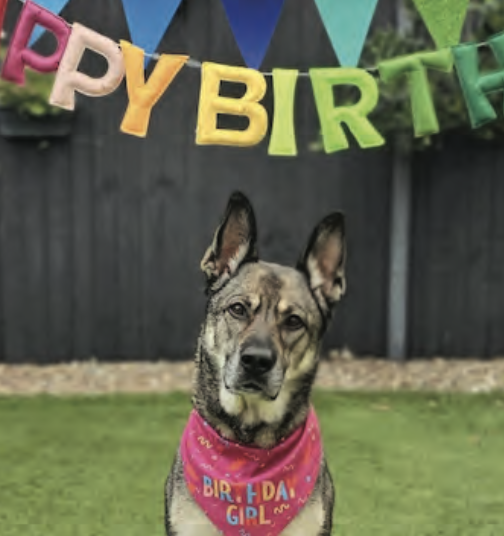
Eight-year-old Harper lost the home and person she knew when her devoted owner became seriously ill. Four months later, after getting a precious taste of family life again in foster care, she is still waiting for someone to choose her.
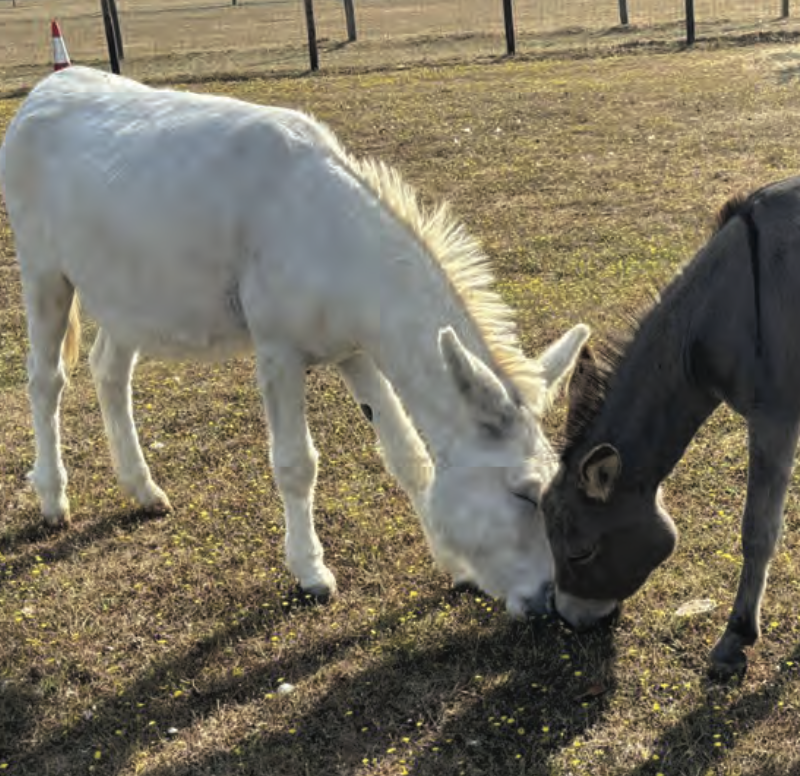
A donkey named Dandi, who was among more than 50 other animals seized by the RSPCA from an address in Essex in 2023, is thriving in the care of The Donkey Sanctuary.