October 3, 2026
Animal Welfare & News
Animal Welfare & News
Not every microchip merger has gone smoothly.

In an interview, Pet Database explains how it grew from a microchip database into a free platform helping rescue centres manage animals and market pets for adoption. The company says removing barriers for stretched charities is central to its mission.

Most people know Pet Database as a microchip database. How has it become something more for rescue centres?
Most people know us as a DEFRA-compliant microchip database, but today we support much more than microchip registration.
Rescue centres can manage animals in their care, transfer microchip ownership after adoption and help more people discover the pets waiting for a home, all in one place. We've grown into a platform that supports the whole rehoming journey.
Rescue centres do incredible work every day. Where do you think they need the most support?
Time.
Rescue teams are busy caring for animals, arranging veterinary treatment, fundraising and carrying out home checks. Marketing is often the job that gets pushed aside, even though it's what helps animals find homes.
Our goal is to take some of that work off their hands and help more rescue pets get seen.
How does Pet Database help rescue teams?
Rescues manage their animals in one place, from arrival through to adoption. We then help promote those animals through social media, newsletters, digital campaigns and our community of pet lovers, helping more potential adopters discover them.
When an animal is adopted, the same system is used to transfer the microchip into the new owner's name.
Less paperwork. More visibility. More time for the animals.
Why did you decide to make the platform free for rescues?
When we spoke to rescue organisations, they weren't asking for another product. They were asking for more support.
We wanted to remove barriers, not create them. If we could provide the technology and help more people discover rescue pets, charging rescues didn't feel right.
That's why the platform is free, and we intend to keep it that way.
Danaher Animal Home received more than 20 enquiries in just two weeks. What made the difference?
The biggest difference was visibility.
Within two weeks of joining, Danaher Animal Home received more than 20 enquiries about their animals while finding the platform quick and straightforward to use.
"We have found Pet Database to be an incredibly easy and useful platform to use. Adding new animals and transferring microchip ownership to adopters is quick and straightforward, making the whole process much more efficient. We have already seen a significant increase in interest in our animals and received more than 20 enquiries in just two weeks. The Pet Database team has also been incredibly supportive throughout the process. We would highly recommend Pet Database to any animal rescue organisation."
Craig, Danaher Animal Home
What has Somerset and Dorset Animal Rescue experienced?
Time savings.
Mark from Somerset and Dorset Animal Rescue told us Pet Database has transformed their administration while helping raise awareness of their dogs and find them homes.
"Using Pet Database at Somerset and Dorset Animal Rescue has completely transformed how we handle our administrative tasks. Transferring microchip numbers is seamless and keeps us entirely on top of our paperwork. Beyond the admin, being able to advertise our available rescue dogs directly through their platform has been invaluable for raising awareness and finding our dogs their forever homes. The team at Pet Database are always helpful, engaging, and a true pleasure to work with."
Mark, Somerset and Dorset Animal Rescue
You're also trying to stop pets entering the rescue system. Why?
Helping rescue pets find homes is only part of our mission. We'd much rather prevent them becoming separated from their families in the first place.
One way pets can end up entering the rescue system is when they can't be reunited because their microchip details are missing or out of date. Every successful reunion means one less pet putting pressure on an already stretched rescue sector.
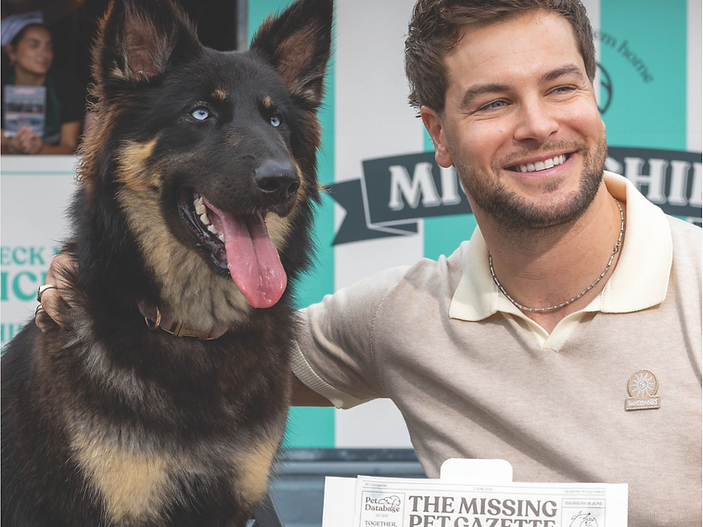
That's why we invest in educating pet owners as well as supporting rescue organisations. Earlier this year, we launched our Microchip Shop campaign, bringing a pop-up microchip advice shop to Brighton and partnering with TV presenter Chris Hughes to encourage owners to check and update their details.
The campaign was backed by new research, which found that while two in three owners say losing their pet is their biggest fear, almost a quarter have delayed updating their microchip details.
Sometimes, something as simple as an old phone number can be the difference between a pet going home the same day or entering the rescue system.
The best outcome isn't helping a lost pet find a new home. It's helping them get back to the one they already have.
Why does this matter to your team?
Because we're pet owners and rescue adopters ourselves.
Our Partnership Manager, Nadia, adopted Isabella after she had already lost two owners. Born in Florida, Issy lost her first owner before being brought to Spain by Angela, who gave her a second chance at life. Tragically, after Angela suddenly passed away following a heart condition, Issy found herself homeless once again until Nadia decided to give her a forever home.
Rescue centres already have enough systems. Why would they use another one?
Because we don't just provide software, we provide support.
Every rescue has a dedicated Partnerships team to help with onboarding and, if needed, we'll even upload their animals and get everything set up for them.
After that, rescues manage everything in one place while we help get their animals in front of more potential adopters.
Our goal has never been to create more work. It's to take some of it away.
Finally, what's next?
We'll keep supporting more rescue organisations, educating pet owners and keeping the platform free.
Whether it's helping a rescue pet find a new family or helping a lost pet get back to the one they already have, the goal is the same: helping more animals end up where they belong.
Not every microchip merger has gone smoothly.
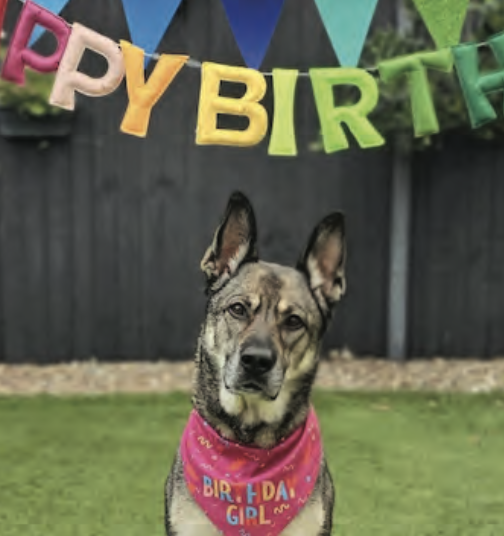
Eight-year-old Harper lost the home and person she knew when her devoted owner became seriously ill. Four months later, after getting a precious taste of family life again in foster care, she is still waiting for someone to choose her.
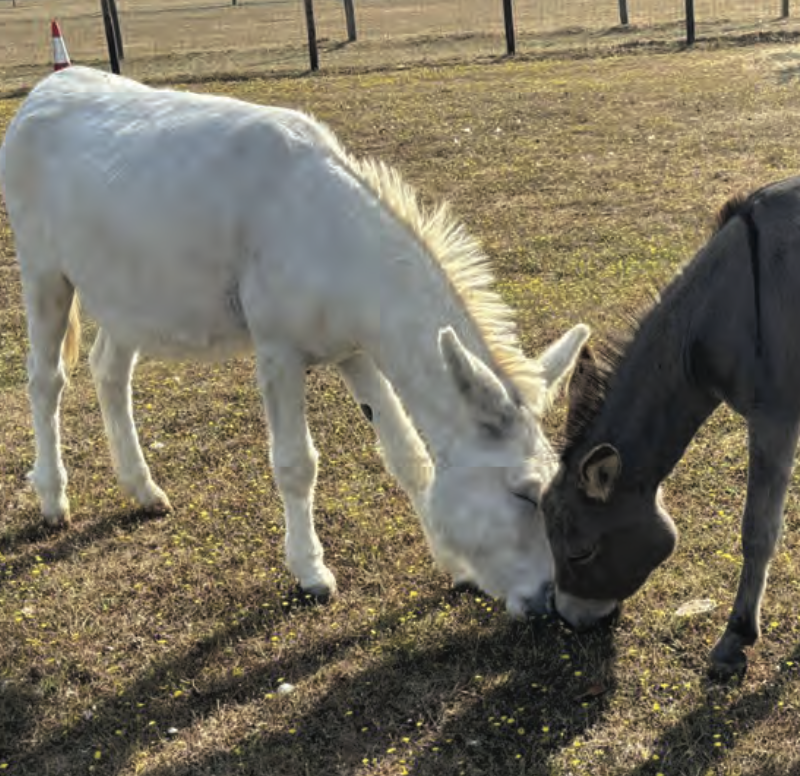
A donkey named Dandi, who was among more than 50 other animals seized by the RSPCA from an address in Essex in 2023, is thriving in the care of The Donkey Sanctuary.