October 3, 2026
Animal Welfare & News
Animal Welfare & News
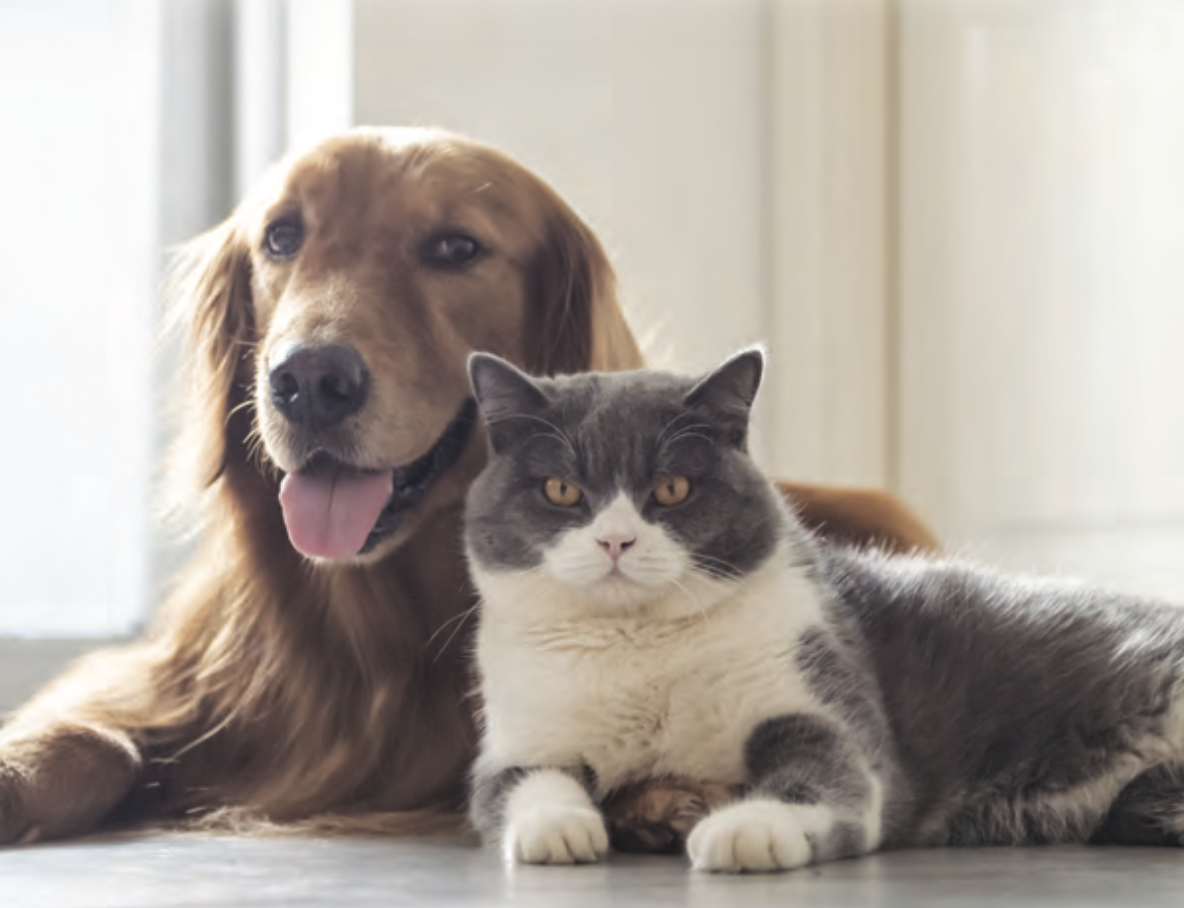
Not every microchip merger has gone smoothly.

Dog safety expert Chris Maxted of Dog-G8 warns that common misconceptions about winter weather could put pets at risk. He outlines temperature thresholds, from 4 degrees Celsius to below minus nine, at which dogs need coats or shorter walks.
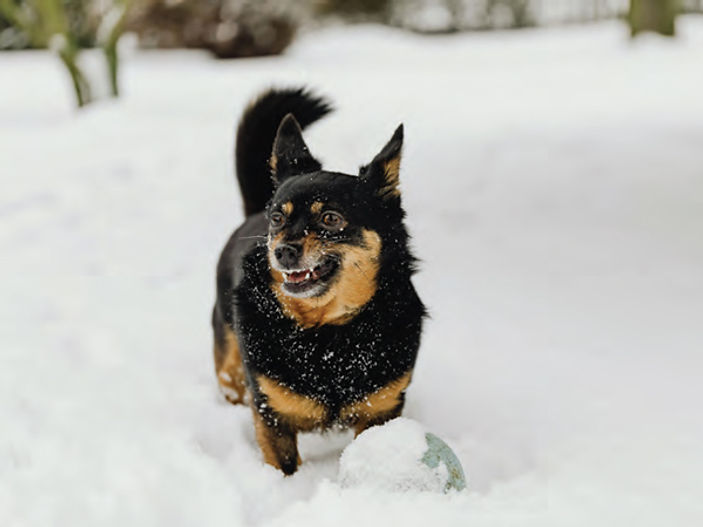

Is YOUR dog safe to go outside?
Common winter misconceptions could put your dog in danger
With colder weather returning and more areas facing icy pavements and heavy rainfall, dog owners are being warned that common assumptions about winter walks may be putting their pets at risk.
Many dogs react differently to the cold depending on their size, coat type and age and not taking this into consideration can leave dogs struggling far sooner than people realise.
Chris Maxted, director of dog safety gate company Dog-G8 and pet safety advocate warns Brits about the winter walking mistakes that could place dogs in danger over the coming weeks.
Assuming all dogs cope with cold in the same way
"When cold weather arrives, the point at which a dog needs a coat is lower than many owners expect, and choosing the right layer at the right time helps stop the walk becoming uncomfortable.
"When the temperature reaches 4 degrees Celsius, thinner-coated, small and older dogs can struggle more, and this is the moment when adding a coat becomes very helpful for most of them."
Walking too long in harsh temperatures
"By minus six, only short outings are suitable for most dogs, and coats become necessary for nearly all smaller breeds as the cold becomes harsh within minutes.
"At minus nine and below, time outside should be kept to quick toilet breaks, with small and thin-coated dogs wearing a warm coat and returning indoors promptly."
Missing the early signs that a dog is getting too cold
"Owners should watch for early signs that the cold is getting too much, such as slight shivering, slowing down or hesitating to walk, as these signals show that more warmth or a shorter route is needed.
"Wet conditions make the cold bite harder, and rain, snow or slush can leave even well-coated breeds needing extra protection to stay comfortable."
How different dogs react to each winter temperature
• 4 degrees Celsius: Small, toy, thin-coated and older dogs lose body heat quickly at this point and often need a coat to stay comfortable, especially in wet or windy conditions.
• 1 degree Celsius: Most breeds start to feel the cold, and many dogs benefit from a coat unless they are large and heavily coated.
• 0 degrees Celsius: All dogs begin to feel more strain, and shorter outings can help small, thin-coated and older dogs stay comfortable.
• –4 degrees Celsius: Small and medium dogs can struggle even with a coat, so walks should stay brief and steady, particularly for short-haired or older dogs.
• –6 degrees Celsius: Nearly all smaller breeds need a coat and only short outings, while large dogs also begin to reach their limit in harsh weather.
• –9 degrees Celsius and below: All dogs should only be out for quick toilet breaks, with small and thin-coated breeds wearing a warm coat and returning indoors promptly.
Not every microchip merger has gone smoothly.
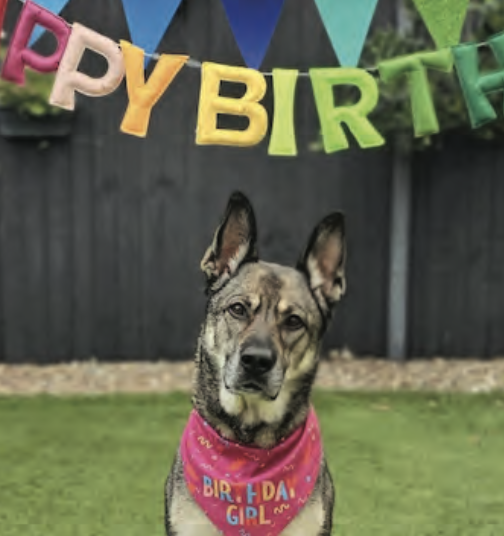
Eight-year-old Harper lost the home and person she knew when her devoted owner became seriously ill. Four months later, after getting a precious taste of family life again in foster care, she is still waiting for someone to choose her.
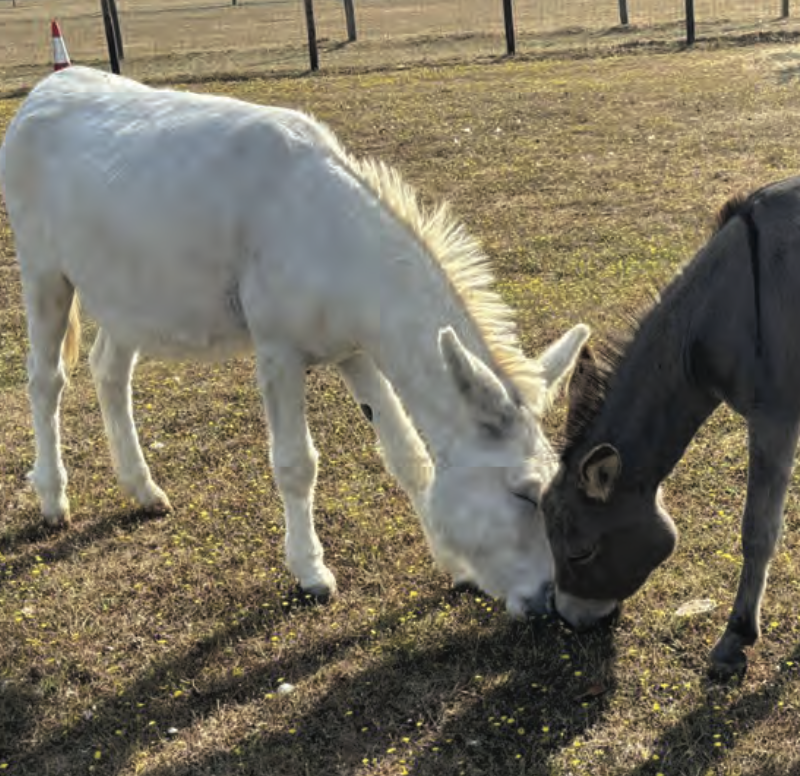
A donkey named Dandi, who was among more than 50 other animals seized by the RSPCA from an address in Essex in 2023, is thriving in the care of The Donkey Sanctuary.