October 3, 2026
Animal Welfare & News
Animal Welfare & News
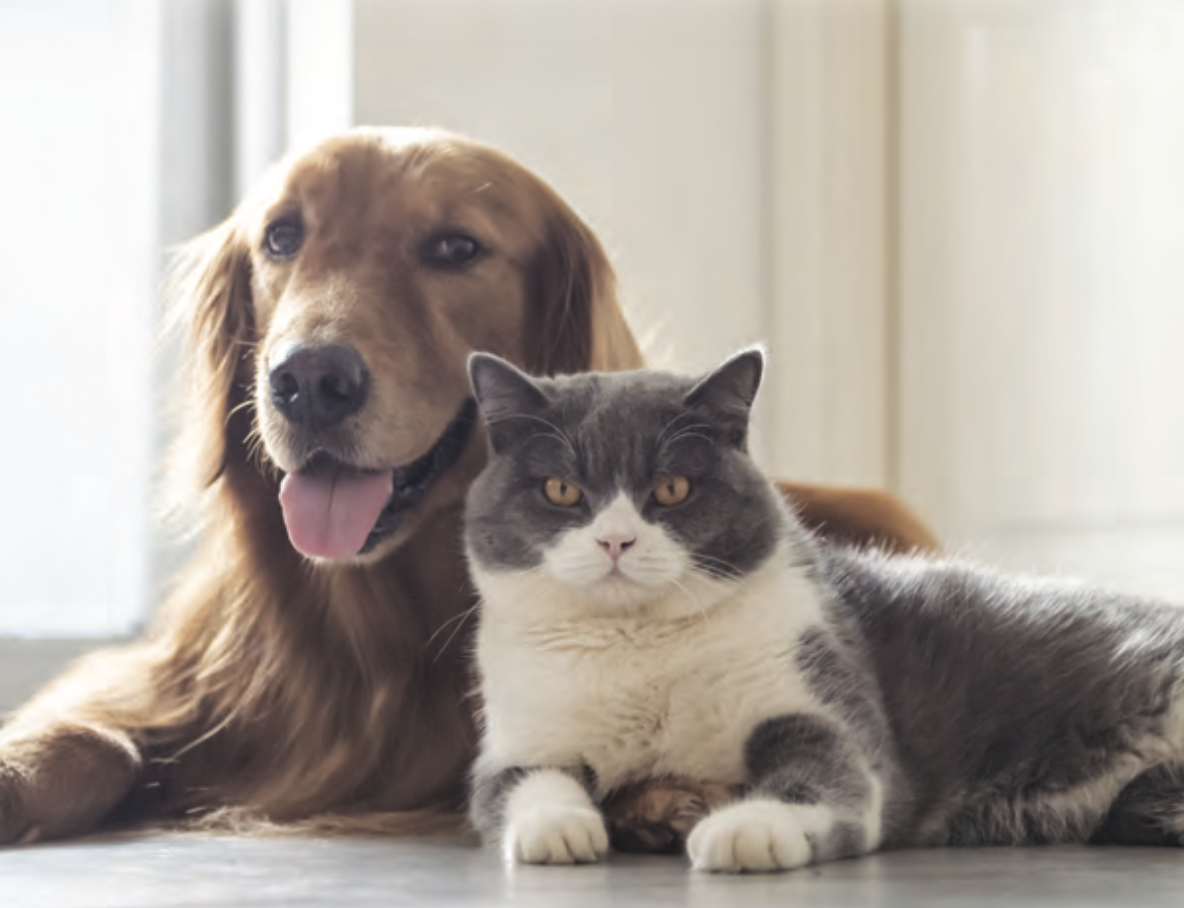
Not every microchip merger has gone smoothly.
Bio-Life International examines whether hypoallergenic dog breeds truly reduce allergic reactions, noting all dogs produce allergen proteins regardless of how much they shed. The company promotes managing allergen build-up at home instead of relying on breed labels.


Hypoallergenic Dogs: Truth, Trend, or Clever Marketing?
For millions of dog lovers, allergies present a heartbreaking dilemma. The companionship, comfort, and emotional wellbeing dogs provide are undeniable, yet so too are the sneezing, itching eyes, and breathing difficulties that can follow. In response, certain breeds such as Poodles, Bichon Frise, Schnauzers, Maltese, and Portuguese Water Dogs are frequently promoted as "hypoallergenic," offering hope to allergy sufferers who dream of owning a dog without the symptoms. But how much of this promise is supported by science and how much is simply clever marketing?
The Truth Most People Aren't Told
One of the biggest misconceptions surrounding pet allergies is the belief that fur is the primary cause.
In reality, pet allergies are triggered by specific protein allergens produced naturally by the animal. These microscopic proteins are found in:
- Saliva
- Skin cells (commonly known as dander)
- Urine
- Sweat glands
When dogs groom themselves, these allergen proteins transfer onto their coat. From there, they spread easily throughout the home, settling into soft furnishings, clothing, carpets, and even circulating in the air.
This means that while some breeds may shed less hair, they still produce the same allergens. Less shedding may reduce the spread slightly, but it does not eliminate the root cause.
In other words, no dog is truly allergen-free.
Is "Hypoallergenic" a Scientific Term?
Surprisingly, there is no formal scientific or medical definition of a hypoallergenic dog.
The term itself simply suggests that something is less likely to cause an allergic reaction, not that it won't cause one at all.
Scientific studies have shown that allergen levels can vary significantly between individual dogs, even within the same breed. This means that choosing a "hypoallergenic" breed offers no guarantee of symptom relief.
For many families, this can lead to disappointment. After investing emotionally and financially in a dog believed to be allergy-friendly, symptoms may still persist.
Understanding the Real Problem: Allergen Load
For many people, it's not simply the presence of a dog that causes symptoms — it's the gradual build-up of allergens within the home over time.
These microscopic proteins settle into the spaces we use every day, often without us realising:
- Sofas and soft furnishings
- Bedding and mattresses
- Clothing and blankets
- Carpets and rugs
- The air circulating around your home
As part of normal daily life, allergen levels can quietly build, increasing the likelihood of reactions.
This is why focusing on reducing allergen load, rather than relying on breed labels alone can make such a meaningful difference in helping people live more comfortably with their dogs. Together, these small, simple steps can make a meaningful difference. Because managing allergies isn't about giving up the companionship of a dog, it's about creating a home where both of you can breathe more easily.
Living Comfortably With Dogs — Even With Allergies
For many allergy sufferers, giving up the idea of owning a dog feels like giving up a part of life itself. Dogs provide companionship, emotional wellbeing, and measurable mental health benefits.
The encouraging reality is that allergy sufferers do not always need to choose between their health and their love of animals.
With proper allergen management, many people can live far more comfortably alongside their pets.
The key lies not in chasing the promise of a "hypoallergenic" breed, but in understanding the science and taking proactive steps to reduce allergen exposure.
Science Over Marketing
A Smarter, Science-Led Approach
Modern allergy management has moved beyond simply avoiding triggers. Today, the focus is on reducing allergens at their source — helping people live more comfortably alongside the things they love.
At Bio-Life International, this thinking is at the heart of everything we do. Our range is proudly Allergy UK Approved, giving reassurance to families looking for trusted, science-led support.
PetAlCleanse® is a gentle weekly lotion applied directly to your dog's coat, helping remove the allergen proteins left behind through normal grooming and daily life, before they have the chance to spread around the home.
FabriCleanse® works within clothing, blankets, and pet bedding, helping lift away allergens that would otherwise remain trapped in fabrics and continually re-exposed.
HomeCleanse® helps care for the spaces where we relax most — sofas, mattresses, carpets, and soft furnishings, reducing the build-up of allergens over time.
AirCleanse® supports a cleaner indoor environment by helping reduce airborne allergens, including pet allergens, pollen, mould, and dust mites.
The concept of hypoallergenic dogs may offer hope, but it should not be mistaken for a guaranteed solution.
All dogs produce allergens. What makes the real difference is how those allergens are managed within the home.
By focusing on treating the cause, not just the symptoms, allergy sufferers can take back control and continue enjoying the companionship of their dogs with greater comfort and confidence.
Because when science leads the way, better living follows.
Bio-Life International — Treating the cause, not the symptoms.
For further information, visit www.biolife-international.co.uk
Not every microchip merger has gone smoothly.
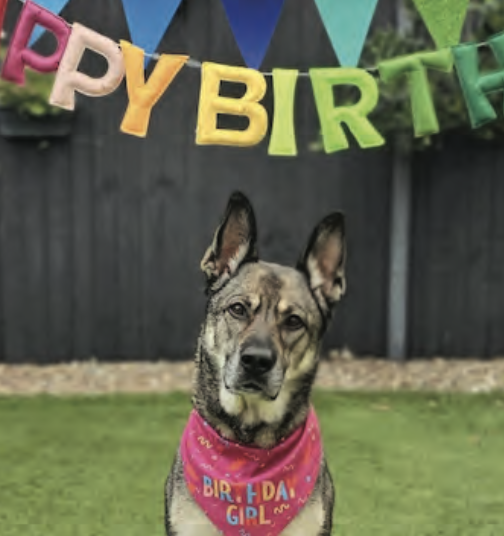
Eight-year-old Harper lost the home and person she knew when her devoted owner became seriously ill. Four months later, after getting a precious taste of family life again in foster care, she is still waiting for someone to choose her.
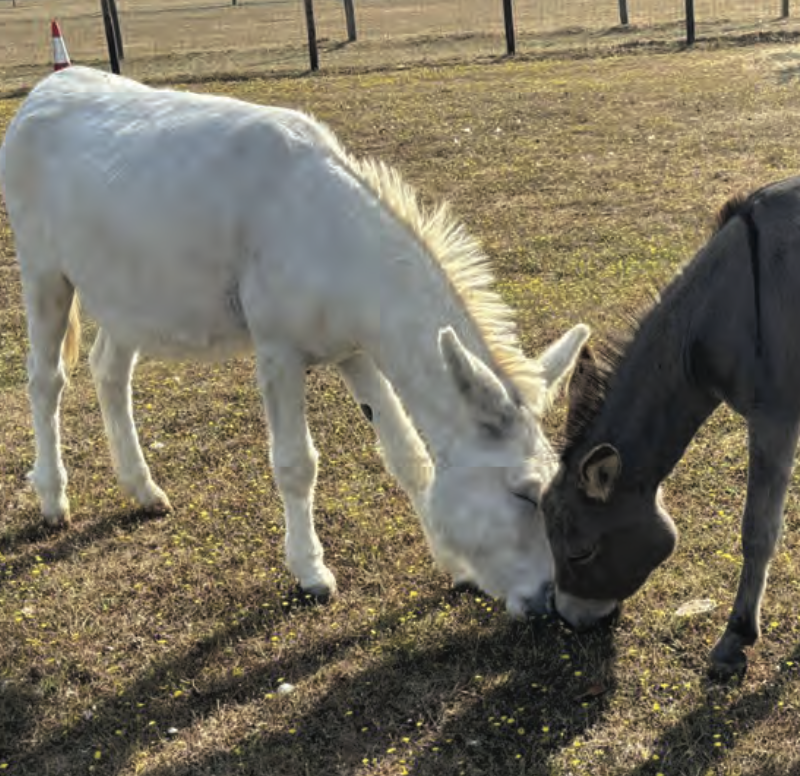
A donkey named Dandi, who was among more than 50 other animals seized by the RSPCA from an address in Essex in 2023, is thriving in the care of The Donkey Sanctuary.