October 3, 2026
Animal Welfare & News
Animal Welfare & News

Not every microchip merger has gone smoothly.
A donkey named Darby spent several months at The Donkey Sanctuary's hospital in Devon after a routine tooth extraction led to a non-healing wound caused by a hidden bone fragment. Once vets located and removed the fragment, Darby recovered fully and rejoined his herd.
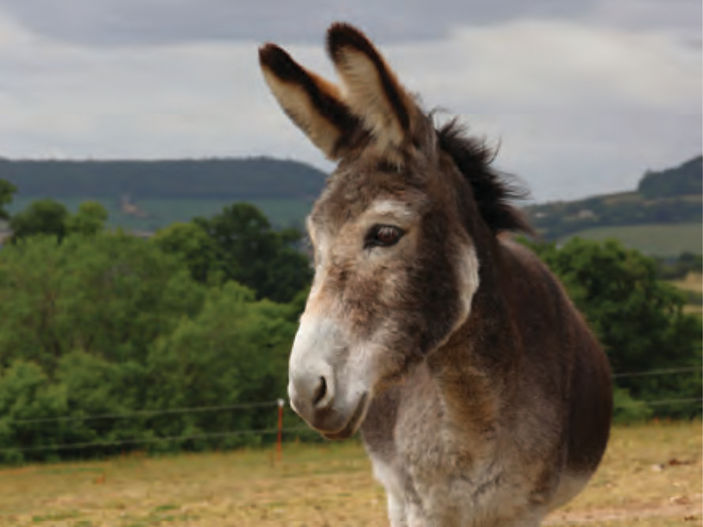

Donkey Darby gets his smile back
A donkey named Darby, who spent several months at The Donkey Sanctuary's dedicated donkey hospital following complications with a routine dental extraction, is now back to full health and among his companions on his sanctuary farm in Devon.
In December last year, Equine Dental Technician Kelsey Ham referred Darby to Donkey Sanctuary Veterinary Surgeon, Alice Hodgson, to extract one of his lower cheek teeth. The tooth had been displaced, and as a result was causing food to pack around it, which if left untreated could cause gum disease.
Darby made the short trip to the charity's donkey hospital where x-rays were taken so vets could plan his surgical procedure. The brown gelding wasn't closely bonded to any particular companion in his resident herd, but was accompanied by a donkey named Gabrial [sic].
On the day of his procedure, Alice and fellow surgeon Curtis Goding worked together to extract the tooth, which all seemed to go as it should. In the following weeks, Alice checked the socket regularly and she was pleased with the healing process, so Darby went back to his sanctuary farm.
After a few weeks, Darby's diligent grooms noticed some discharge coming from the left side of his lower jawbone. Initially this was thought to be unrelated to the extraction as the socket was healing perfectly, and Darby was treated for the infected wound.
But over time it became clear that the wound still wasn't healing as expected. Subsequently the fifteen-year-old donkey was admitted back to hospital for radiographs and close monitoring.
He went on to spend several months in the hospital with Gabrial, where nurses and interns worked closely with him to provide his daily medication. During Darby's prolonged stay, multiple diagnostics were carried out to establish the cause of the non-healing wound.
Sanctuary experts carried out blood work, multiple radiographs and contrast radiographs, along with ultrasound scans, wound flushes, surgical wound debridement (removing dead, damaged or infected tissue from a wound to promote healing) and regular flushes of the socket and diastema (the gaps between his teeth).
Eventually, one of the scans located a sequestrum – a tiny fragment of dead bone that had become separated from the healthy bone during the tooth removal – next to where the tooth was extracted, which was the reason the wound was unable to heal.
Alice explained: "After removing Darby's tooth we were struggling to identify the reason for his non-healing wound, as scans were not initially picking up the secondary bone formation.
"We know that a sequestrum (bony fragment) is a possible complication of an extraction – however they are notoriously difficult to spot. Thanks to the expert attentiveness of the team caring for him, we were able to identify the issue and begin treatment."
Now the cause of the infection was known, sanctuary vets had to perform just one more short procedure to remove the fragment before Darby could finally head back to his resident herd.
Alice added: "I was so relieved when I was able to remove the fragment and know that we'd found the solution that would allow him to heal."
After being away from the herd for several months, his grooms were unsure how Darby, and the other donkeys, would react to his arrival. But any concerns soon disappeared as he was greeted by brays as he trotted out into the field to meet them. His external wound has now healed perfectly, and he is back enjoying his life with the herd.
The importance of regular dental checks
Regular dental checks (every 12 months) are vital to maintain the health of donkeys' teeth. Donkeys have two sets of teeth in their lifetime. The first set are called 'deciduous teeth', which appear above the gums in the first few weeks of life, then gradually fall out and are replaced by a permanent set of adult teeth at around five years old.
Problems with donkey's teeth can cause them a lot of pain, as well as an inability to chew properly, graze or eat. Donkeys have a stoic nature, and this means they are good at hiding pain and illness, and it can be difficult to tell if something is wrong.
The teeth cannot be easily seen, so it is even more important to arrange regular dental checks with an appropriately qualified person who can recognise the signs of dental problems.
To find out more, please visit https://www.thedonkeysanctuary.org.uk/for-owners/owners-resources/donkey-dental-care
Not every microchip merger has gone smoothly.
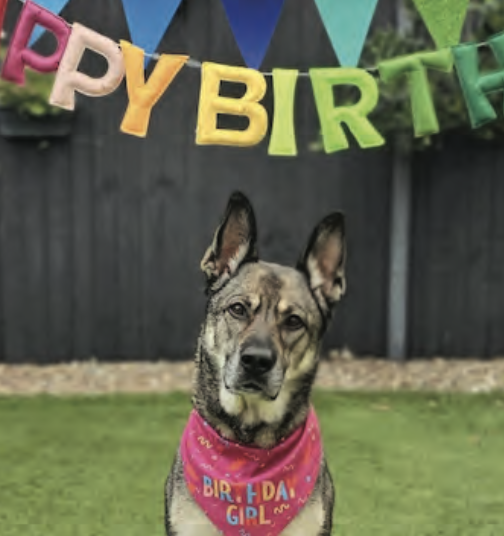
Eight-year-old Harper lost the home and person she knew when her devoted owner became seriously ill. Four months later, after getting a precious taste of family life again in foster care, she is still waiting for someone to choose her.
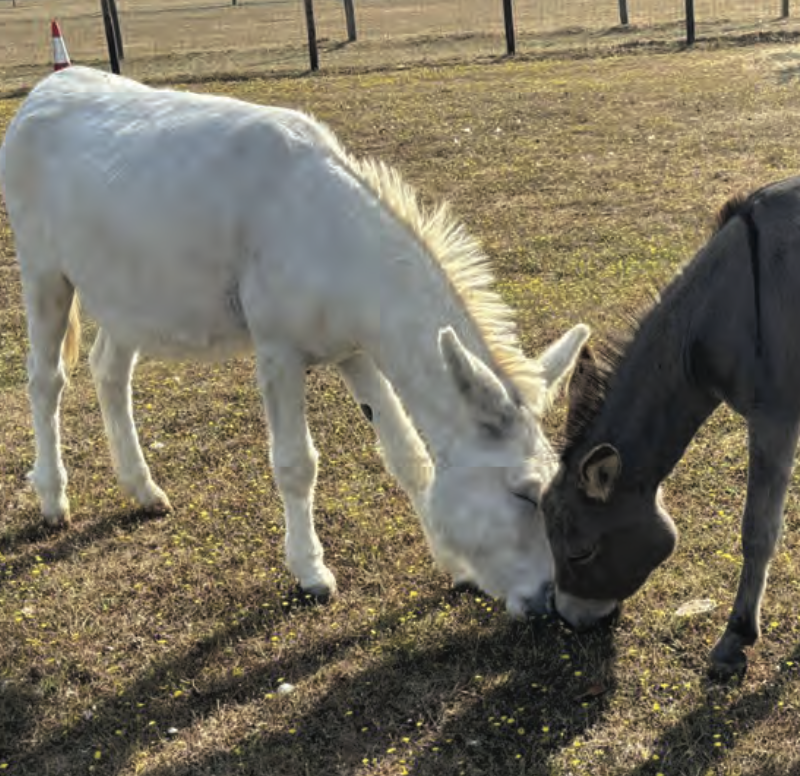
A donkey named Dandi, who was among more than 50 other animals seized by the RSPCA from an address in Essex in 2023, is thriving in the care of The Donkey Sanctuary.