October 3, 2026
Animal Welfare & News
Animal Welfare & News

Not every microchip merger has gone smoothly.

Outdoor specialist Alex Essex warns the real danger to dogs comes from eating fertiliser granules before they're watered in, not from walking on treated lawns. He debunks five myths and advises watering products in thoroughly before letting pets outside.
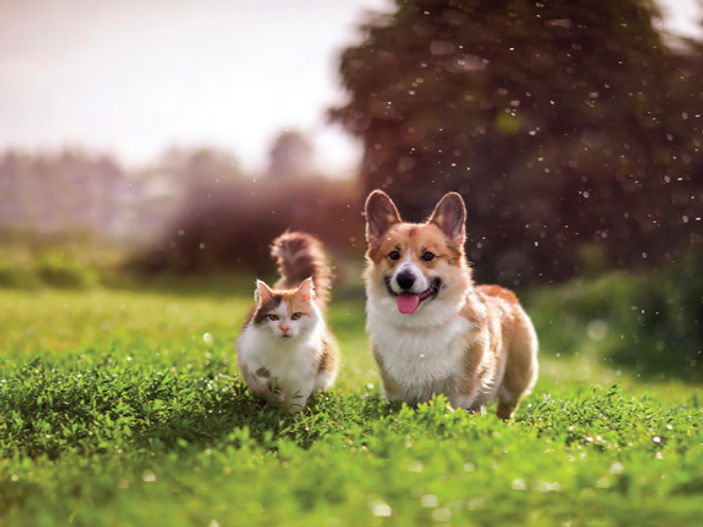

Dog owners warned over common lawn fertiliser mistake that can make pets sick
As households start to think about preparing their gardens for warmer weather, many dogs are at risk of falling ill, not from walking on treated grass, but from eating fertiliser granules before they've dissolved
According to outdoor specialists, the real risk isn't dogs walking or playing on treated lawns, it's direct ingestion before products have been properly watered in and absorbed.
"People often think fertilised grass itself is toxic for days, which isn't really the issue," Alex Essex, specialist at Patio Black Spot Removal Company explained. "The main danger is when dogs sniff out or eat the granules straight off the surface before they've been watered in. That's when you can see upset stomachs or worse.
"Once it's properly applied, watered in and the lawn is dry, it's generally safe for normal family use, including pets and kids. However, it is always important to double check products as some that are iron based require up to two weeks to avoid irritation and staining."
Alex, who works with domestic gardens year-round, says safety myths and outdated advice are causing unnecessary worry for families. He believes understanding the reality around fertilising makes lawn feeding compatible with everyday dog needs, and the garden.
Vets advise owners to keep an eye on their pets if they suspect fertiliser has been eaten. Mild symptoms can include vomiting, diarrhoea, drooling or lethargy, while repeated vomiting, tremors or unusual behaviour may signal something more serious and should be checked by a professional. If ingestion is suspected, contacting a vet promptly is recommended to treat the issue as soon as possible.
5 lawn fertiliser myths every dog owner should know:
Myth 1: Dogs can't go on the lawn after fertilising
"Most household fertilisers are absorbed quickly. After watering, and once the surface is dry, typically within 24-48 hours, lawns can usually be used as normal, but it is always good to clean paws after making contact to avoid residue," said Alex.
Myth 2: 'Natural' or organic fertilisers are safer for pets
"Some organic products contain bone meal or blood meal, which can actually attract dogs and make them more likely to eat the product, increasing the risk of digestive problems." Alex continued: "it's important to check the labels before purchasing the fertiliser to take extra precautions."
Myth 3: Any fertiliser harms wildlife
"Problems tend to come from overuse or run-off, not normal domestic application. Targeted use and sticking to recommended amounts keep gardens both family and wildlife friendly."
Myth 4: Using extra fertiliser makes lawns greener and is harmless
"Applying more than recommended doesn't improve results and can leave excess granules sitting on the surface, increasing the chance pets will sniff out or ingest them," Alex shared. "Sticking strictly to label amounts is both safer and more effective."
Myth 5: Rain will wash fertiliser away safely
"Heavy rain soon after application can move fertiliser into puddles, borders or patios where pets may drink or lick residues. It can also cause run-off into drains." Alex said: "I recommend applying the product in dry weather and watering in lightly rather than relying on rainfall entirely."
Alex continued: "The reality is, you don't need to choose between a healthy lawn and a safe garden. It's just about simple precautions. Water it, let it dry, and clear up any loose granules. Most problems happen when those steps are skipped."
https://patioblackspotremoval.com
Not every microchip merger has gone smoothly.

Eight-year-old Harper lost the home and person she knew when her devoted owner became seriously ill. Four months later, after getting a precious taste of family life again in foster care, she is still waiting for someone to choose her.
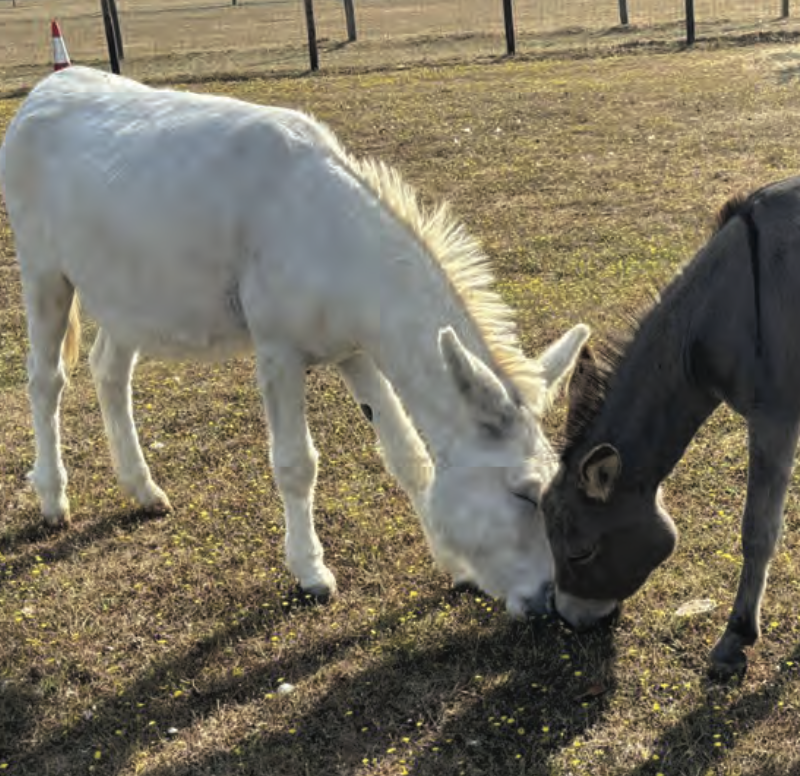
A donkey named Dandi, who was among more than 50 other animals seized by the RSPCA from an address in Essex in 2023, is thriving in the care of The Donkey Sanctuary.