October 3, 2026
Animal Welfare & News
Animal Welfare & News
Not every microchip merger has gone smoothly.

New research from Agria Pet Insurance finds 14% of UK adults have faced a pet emergency without knowing what to do, while nearly a third worry about their first aid knowledge. Vet Dr Charlie Astle recommends a first aid kit and ensuring pet insurance is in place.
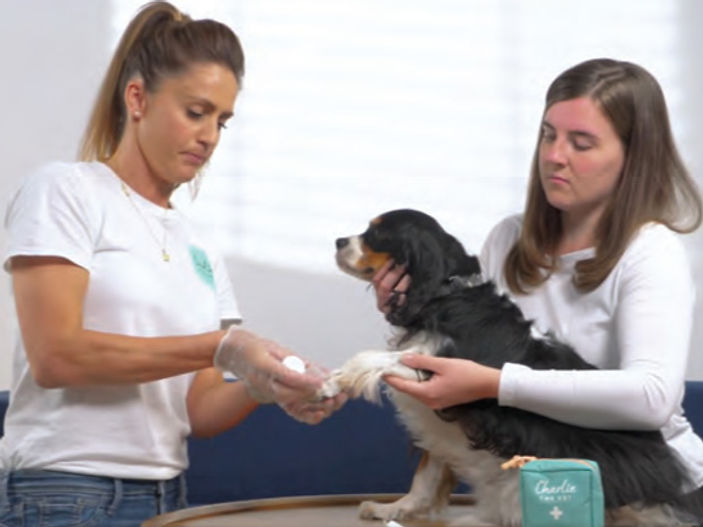

1 in 7 UK Adults have experienced a Pet Emergency and didn't know what to do
1 in 7 (14%) UK adults admit they have been in a situation where their pet needed emergency first aid, but didn't know what to do, according to new research.
Nearly a third (32%) of pet owners are concerned about their lack of knowledge around pet emergency first aid.
Data also shows that 1 in 5 (20%) pet owners admit they have never thought about pet first aid at all.
National Pet Month April, a new study has revealed a worrying knowledge gap amongst British pet owners – with 1 in 7 UK adults (14%) admitting they did not know what to do when their pet experienced an emergency situation.
As the UK heads into warmer months, this data highlights the urgent need for Brits to understand the basics of pet first aid – knowledge that could save a pet's life – with experts urging owners to be wary of situations like heatstroke, allergic reactions, and poisoning.
Being prepared can make all the difference, but the research conducted by Agria Pet Insurance has revealed just how underprepared Brits are – with almost a third (32%) of pet owners worrying they don't know enough about first aid to help their pet in a crisis, and one in five (20%) pet owners saying they've never considered pet first aid at all.
The most puzzling pet health emergencies for owners are the ingestion of poisons or toxins, and seizures, with 64% admitting they wouldn't feel confident administering basic first aid in these situations – followed closely by broken bones or limbs (63%).
Geographically, pet owners in London appear the most confident, with 50% saying they'd know how to handle toxin ingestion, followed by 37% in the South West and 36% in the East of England. Confidence levels also differ between genders, with 38% of men saying they'd know what to do in a pet emergency, compared to just 31% of women.
Dr Charlie Astle, also known as Charlie the Vet, says being prepared can make all the difference in an emergency – and here she shares five tips to help pet owners:
Keep a first aid kit close by: Every pet owner should know basic first aid to take the panic out of emergencies. A good kit should include dressings and antiseptic solutions for wounds—like cuts, bites, and stings—as well as a tick removal tool.
Do your research: Find out how to recognise symptoms of common summer ailments like heatstroke or allergic reactions, plus what to do if this occurs, and how best to avoid these situations. Make sure you get your first aid advice from a qualified source.
Have a plan in place: Accidents can happen, so it's best to be prepared. Save your vet's phone number and out-of-hours number in your phone, and make sure your pet's microchip details are up to date.
Know your pet's history: Ahead of travelling with your pet, email yourself a copy of your pet's history, so you have it to hand if you need to see a new vet or book your pet into a boarding kennel or cattery – especially if your pet has a complicated history.
Have a backup plan: Should you face an emergency, make sure you have a backup plan to make sure your pet gets the best possible care. Take out a good premium lifelong insurance policy with a reputable insurer, so you're covered should something happen.
"In an emergency, every second counts – and that's just as true for pets as it is for people," says Dr. Charlie Astle, Agria ambassador, vet and pet first aid expert. "No one expects an emergency to happen, but being prepared can ease panic, buy valuable time, and even save lives. As we head into summer, it's especially important to know how to recognise heatstroke, manage allergic reactions, and act quickly if your pet ingests something toxic.
"At the same time, lifelong pet insurance plays a vital role. It gives owners the peace of mind that they can access the right treatment without delay – from urgent care to follow-up support. When combined with even basic first aid knowledge, it means you're doing everything possible to protect your pet's health, whatever the situation."
Agria Pet Insurance offers resources, guides and advice on pet first aid, as well as 24/7 vet video calls for pet owners. Visit agriapet.co.uk to find out more.
Not every microchip merger has gone smoothly.
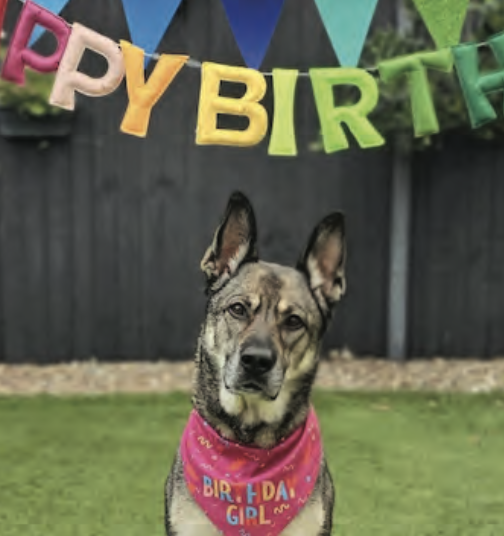
Eight-year-old Harper lost the home and person she knew when her devoted owner became seriously ill. Four months later, after getting a precious taste of family life again in foster care, she is still waiting for someone to choose her.

A donkey named Dandi, who was among more than 50 other animals seized by the RSPCA from an address in Essex in 2023, is thriving in the care of The Donkey Sanctuary.