October 3, 2026
Animal Welfare & News
Animal Welfare & News

Not every microchip merger has gone smoothly.

Dog-G8 director Chris Maxted warns that 'spring fever', a seasonal rise in impulsive behaviour, makes dogs more likely to bolt or ignore recall. He urges owners to reinforce training and watch for hazards, since livestock worrying can bring fines of up to £1,000.
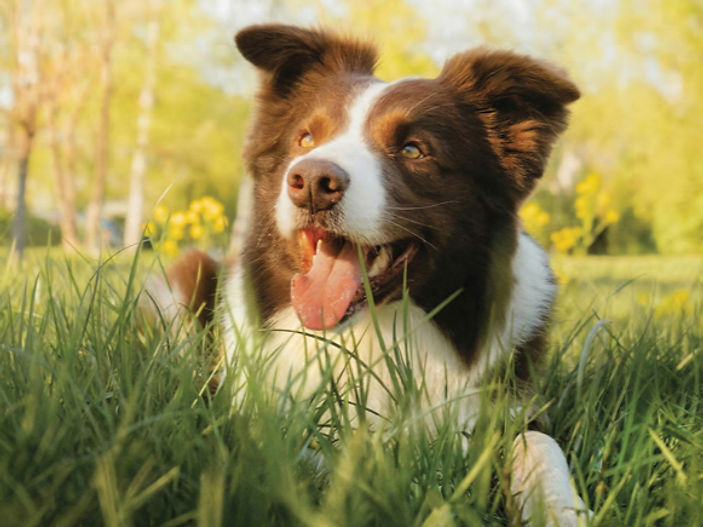

Does your pet have 'spring fever'? Warning to owners as dogs are more likely to bolt now
As the UK heads into warmer weather, dog owners are warned to prepare for 'spring fever', a seasonal spike in impulsive behaviour that sees a dramatic rise in dogs escaping from homes and bolting on walks.
With new smells, allergens and outdoor distractions all hitting at once alongside seasonal hazards, this means the consequences of that behaviour can be far more serious than many expect.
Chris Maxted, director of front door safety gate Dog-G8 www.dog-g8.com shares what spring fever means for your dog and how you can help keep them protected over the next few months.
What spring fever is: Breakdown of recall and control
"Spring fever in dogs isn't about a change in energy levels, it's a response to a sudden increase in environmental stimulation, with new smells, pollen and wildlife all appearing at once, which can overwhelm their senses and override even the best dog's recall.
"That surge in stimulation can lead to dogs becoming more impulsive, so behaviours like ignoring recall, pulling on the lead or trying to bolt through open doors become much more common at this time of year."
When everyday moments become high risk
"What makes this challenging is that it often happens in routine situations, such as stepping out for a walk or opening the front door, where owners don't expect their dog to suddenly react or try to run."
Key dangers
"With more dogs running off or becoming distracted, there is a higher chance of them ending up in unsafe situations, whether that's moving traffic, chasing livestock or picking up something harmful while out exploring.
"Livestock worrying is a serious widespread issue at the moment which can lead to dogs being impounded and unlimited fines for owners, so it's important to keep an extra eye on your pets."
Hidden seasonal hazards many owners miss
"Spring also brings a rise in issues like grass seeds getting lodged in paws, ears or eyes, alongside parasites such as ticks and fleas, which become more common as dogs spend more time in long grass and woodland."
What owners can do to help
"Putting simple controls in place, whether that's reinforcing training, checking for hazards after walks, keeping your dog on leash more often, or managing entry points at home, can make a noticeable difference in keeping dogs safe."
Not every microchip merger has gone smoothly.
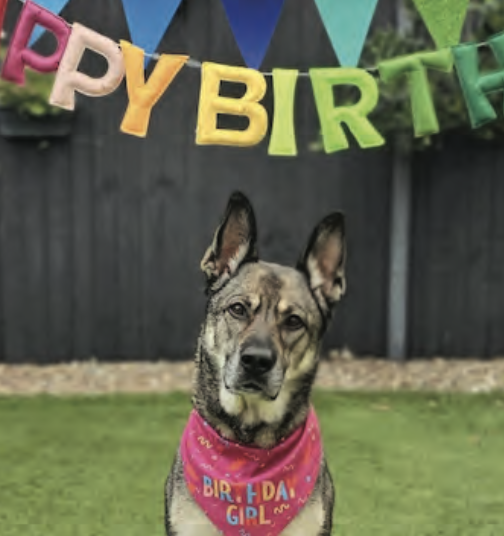
Eight-year-old Harper lost the home and person she knew when her devoted owner became seriously ill. Four months later, after getting a precious taste of family life again in foster care, she is still waiting for someone to choose her.
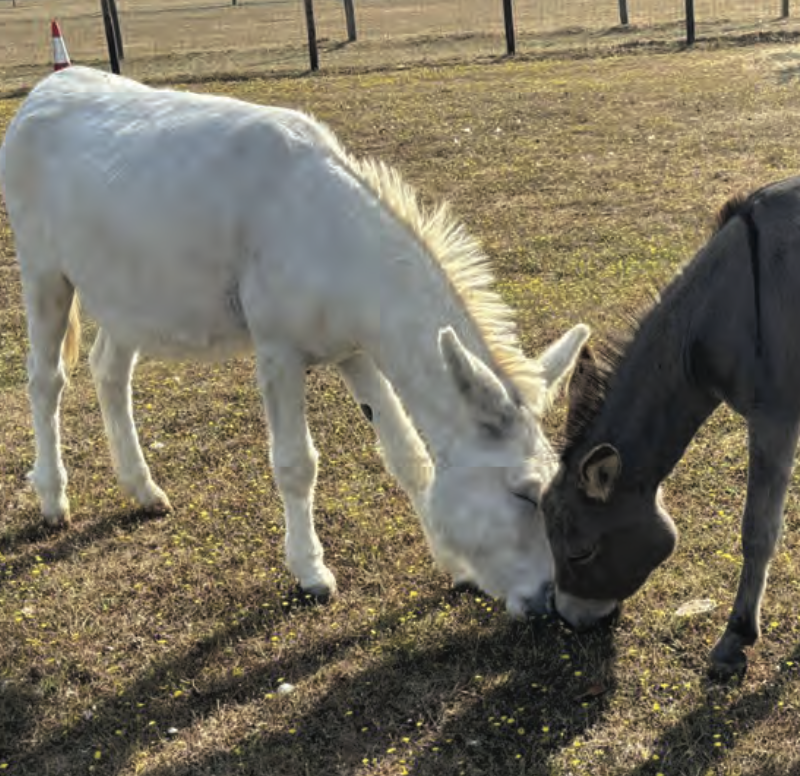
A donkey named Dandi, who was among more than 50 other animals seized by the RSPCA from an address in Essex in 2023, is thriving in the care of The Donkey Sanctuary.